
Scroll TikTok for more than a few minutes in 2026 and you’ll spot it: earbud cords, trailing visibly from someone’s ears into a pocket, worn almost like an accessory. After roughly a decade of wireless earbuds being the obvious upgrade, wired is having a real moment — and not just as an aesthetic. There are practical reasons people are switching back, along with at least one major catch that most coverage of this trend skips entirely.
Quick Answer
Wired earbuds are genuinely trending again in 2026, driven by both a fashion moment and real practical complaints about wireless: battery anxiety, pairing friction, and inconsistent call quality. But “wired” in 2026 almost always means USB-C, not the classic 3.5mm jack, since virtually no current phone still has one. That comes with a real limitation most people don’t realize until they hit it: on a single USB-C port, you generally can’t charge your phone and listen through wired earbuds at the same time. If that’s a dealbreaker for you, the trend is more style than substance. If it isn’t, wired is a legitimately good option for calls, gym sessions, and anyone tired of tracking down a charging case.
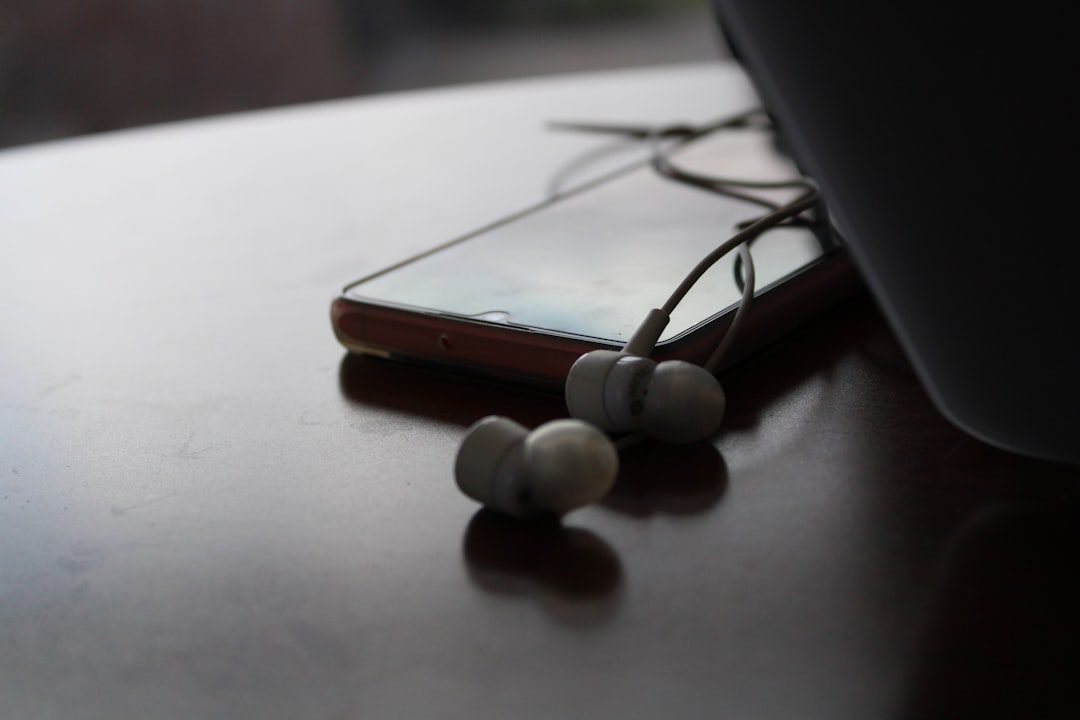
Why Wired Earbuds Are Suddenly Back
Part of this is genuinely aesthetic. A visible cord has become a small style signal, the audio equivalent of low-rise jeans making a comeback — a callback to an era before every pair of earbuds looked identical. But the trend has stuck around past its meme phase because the practical complaints about wireless earbuds are real ones a lot of people quietly share.
Writers who’ve actually made the switch back report the same handful of wins: no more battery anxiety on long flights or train rides when a charging case dies at the worst moment, no pairing delay, and noticeably clearer calls in noisy environments because the microphone sits close and steady rather than moving with a tiny earbud. Physical volume and playback buttons on the cord are also a small but real convenience wireless touch controls don’t always replicate reliably.
The Catch Nobody’s Talking About: There’s (Almost) No Jack Left to Plug Into
Here’s the detail that trips people up: “wired earbuds” in 2026 doesn’t mean what it did a decade ago. Phone and tablet makers stopped including a 3.5mm headphone jack years ago, across both current iPhones and most current Android flagships. If you want a genuinely plug-and-play wired experience today, you’re buying earbuds that terminate in a USB-C connector, not the classic 3.5mm plug.
Some wired earbuds still use a standard 3.5mm connector, which is fine for a computer, a car stereo, or older hardware, but you’d need a separate 3.5mm-to-USB-C adapter to use them with a current phone. If you’re shopping for this trend specifically to use with your phone, look for “USB-C” in the product name or description, not just “wired,” or you’ll end up needing a dongle anyway — which somewhat defeats the point of going simple.
The Charging Conflict: One Port, One Job at a Time
This is the part almost nobody mentions when they cover the wired-earbuds trend, and it’s worth knowing before you buy. Most phones only have a single USB-C port, and that port can generally do one job at a time: either carry audio to your earbuds, or charge your phone. Not both simultaneously, unless you add a separate USB-C audio adapter with a charging pass-through — which is itself a small extra purchase and one more thing to carry, undercutting the “simpler than wireless” appeal that draws people to wired in the first place.
In practice, that means a long commute or a flight where you’re both listening to something and need your phone plugged in isn’t something standard USB-C wired earbuds handle gracefully. If that’s a regular part of your routine, it’s worth weighing against the convenience wins above before you commit.
What You Gain Going Back to Wired
- No battery to manage — the earbuds work as long as your phone has power, and draw very little of it.
- Noticeably better call clarity in quiet settings, since the in-line microphone sits close to your mouth.
- Physical, tactile controls for volume and playback that don’t rely on touch-sensitive surfaces.
- Generally lower prices — solid USB-C wired options are widely available for well under $50, compared to $100-plus for comparable wireless models.
- No pairing process — plug in and it works, every time, with no Bluetooth handshake delay.
What You Actually Lose
- You can’t freely move away from your phone — the physical tether limits movement in a way wireless simply doesn’t.
- Active noise cancellation is rare on wired models; most rely on passive isolation from the ear tip fit instead.
- In noisy outdoor environments, budget wired in-line microphones (which are typically omnidirectional) can pick up more background noise than premium wireless earbuds with directional microphone arrays.
- You generally can’t charge your phone and listen at the same time on a single-port device, as covered above.
- Cords tangle, catch on things, and wear out at the connector over time in a way that sealed wireless earbuds don’t.
Who Should Try the Wired Trend
Wired earbuds make the most sense if most of your listening happens somewhere stationary — at a desk, on a couch, at the gym on a machine — where the cord isn’t fighting your movement. They’re also a strong pick if calls are a bigger priority for you than music, since the microphone advantage in quiet spaces is real and consistent. And if you’ve genuinely lost patience with charging cases dying at inconvenient moments, wired removes that problem entirely.
Who Should Stay Wireless
If you exercise outdoors, commute while walking or biking, or regularly need your phone charging and your audio running at the same time, wireless still solves real problems wired can’t. Anyone who values active noise cancellation for flights or open-plan offices should also stay wireless, since that feature is still mostly absent from wired models. If you’re weighing a phone upgrade around this kind of daily tech use, our Google Pixel 6 Pro review covers a related everyday-tech decision worth reading alongside this one.
Pros and Cons at a Glance
| Pros | Cons | |
|---|---|---|
| Wired (USB-C) earbuds | No battery to manage; clear calls in quiet settings; physical controls; generally cheaper; no pairing delay | Can’t charge phone and listen simultaneously on most single-port devices; rarely have true ANC; tethered movement; mic quality drops in noisy outdoor settings |
| Wireless earbuds | Full freedom of movement; ANC widely available; directional mics handle noisy environments better | Battery anxiety and charging-case dependence; pairing friction; typically pricier for comparable quality |
Frequently Asked Questions
Can I use classic 3.5mm wired earbuds with my current phone?
Only with an adapter. Virtually no current phone, iPhone or Android flagship, still includes a 3.5mm headphone jack, so a standard 3.5mm pair needs a 3.5mm-to-USB-C adapter to work with a modern phone directly.
Why is this trend happening now instead of just staying with wireless?
It’s a mix of a genuine style moment (visible cords as an aesthetic choice) and real, practical frustration with wireless earbuds — dead charging cases, pairing delays, and inconsistent call quality being the most commonly cited reasons people cite for switching back.
Can I charge my phone while using USB-C wired earbuds?
Generally, no, not without an additional USB-C audio adapter that includes a charging pass-through. A single USB-C port typically handles either audio or charging at one time, not both.
Do wired earbuds sound better than wireless ones?
Not automatically — sound quality depends more on the specific model and price point than on wired versus wireless as a category. Where wired earbuds do have a consistent edge is call clarity in quiet environments, thanks to a steadier in-line microphone position.
Are wired earbuds cheaper than wireless?
Generally yes. Solid USB-C wired options are widely available for under $50, while comparable wireless earbuds with similar sound quality often start closer to $100.
Is this trend likely to stick around, or is it a fad?
That’s genuinely uncertain. The style element could fade the way most visual trends do, but the practical complaints driving part of the switch — battery anxiety and pairing friction — aren’t going away on their own, so a smaller, more permanent shift back to wired for specific use cases (calls, gym, desk work) seems plausible even if the broader cultural moment cools off.
Final Verdict
The biggest strength of the wired comeback is that it solves real, specific annoyances — dead batteries and call clarity — rather than being purely about aesthetics. Its biggest weakness is a limitation the trend coverage mostly glosses over: on most phones, you’re choosing between charging and listening, not doing both at once, unless you buy yet another adapter.
Try wired if your listening happens mostly in one place, if calls matter more to you than movement, or if you’re simply tired of a case that never seems to have a charge when you need it. Stick with wireless if your day involves moving around, needing ANC, or needing your phone plugged in and playing audio at the same time. The honest takeaway: this isn’t really a case of one being objectively better, it’s a case of picking the cord for what you actually do most, not for what’s trending on your feed this month.