
Nearly every “backpack vs. rolling suitcase” article ends the same way: it depends on your trip. That’s true, but it’s not the whole answer, and it skips the one factor that actually costs travelers real money in 2026 — how each bag type fares against airline personal-item and carry-on sizers, which are now enforced more strictly than they’ve ever been. That’s where this comparison starts.
Quick Answer
A soft-sided travel backpack is the better choice if you fly budget carriers often, want to reliably avoid paid carry-on fees, or move through cities on foot, stairs, and uneven ground. A rolling suitcase is the better choice if you’re checking into one or two hotels for most of a trip, pack heavier or bulkier items, or have back or shoulder issues that make carrying weight uncomfortable. If you fly budget airlines regularly, the backpack’s ability to compress into a “personal item” slot is the single biggest practical advantage most comparisons don’t mention.
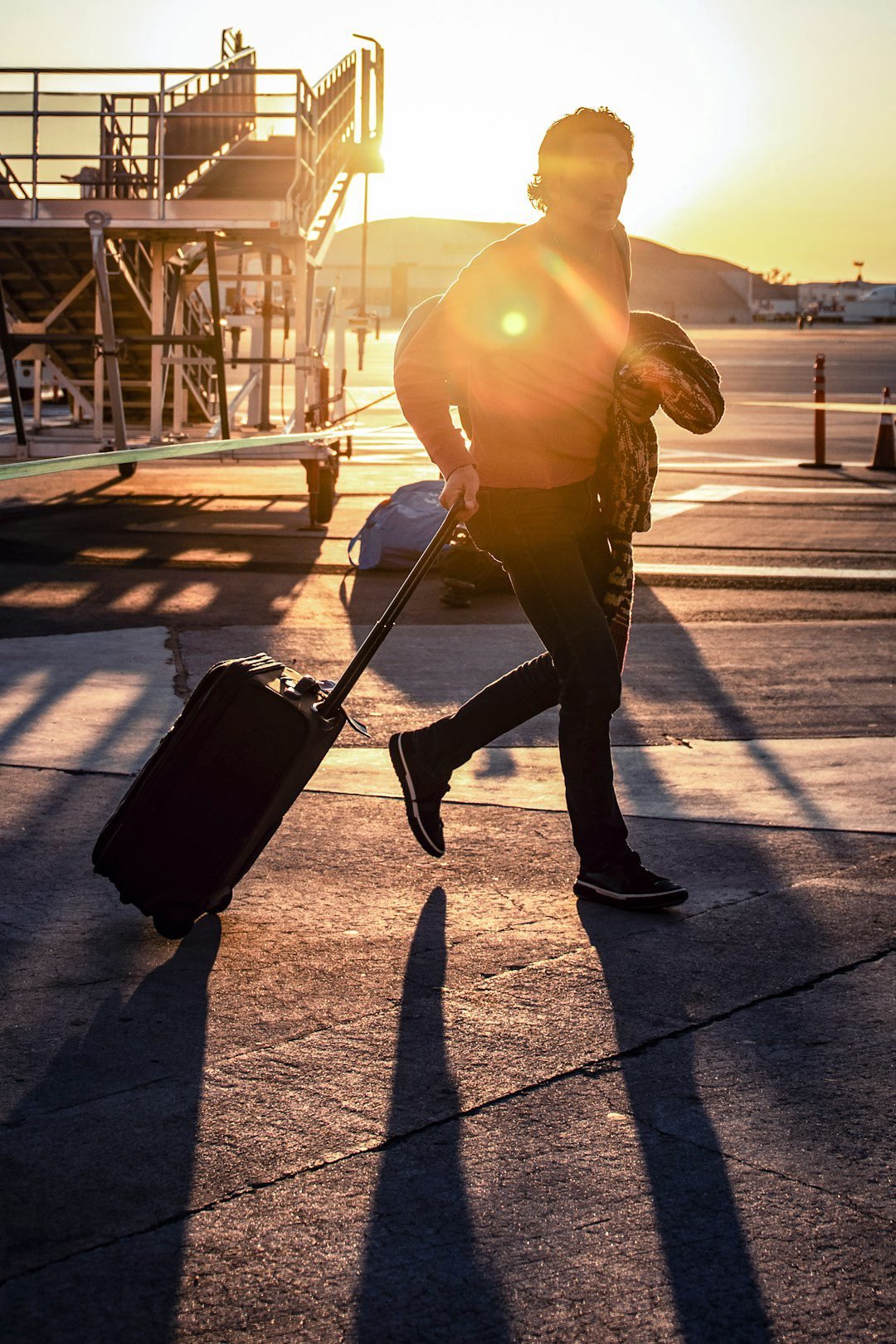
The Airline Rule Most Comparisons Skip: Personal Item vs. Carry-On
Every airline distinguishes between a free “personal item,” which must fit under the seat in front of you, and a carry-on, which goes in the overhead bin and increasingly costs extra on budget fares. This distinction is where a backpack has a real, quantifiable edge: soft-sided bags compress to fit under-seat dimensions and gate sizing frames in a way that rigid, wheeled luggage generally can’t.
In 2026, that matters more than it used to. Airlines including Delta and United have rolled out automated gate scanners that measure bags before boarding, replacing the informal “eyeball test” gate agents used for years, and budget carriers remain the strictest enforcers across the board.
| Airline type | Typical free personal-item limit | Enforcement in 2026 |
|---|---|---|
| US full-service (American, Delta) | ~18 x 14 x 8 in | Relatively lenient, though tightening on busy hub routes |
| US budget (Frontier, Allegiant) | ~17 x 13 x 8 in, exterior including pockets and wheels | Strict — sizer boxes measure the whole bag, not just the main compartment |
| European budget (Ryanair Basic fare) | ~15.7 x 11.8 x 7.8 in | Very strict, with fees running well over $35 for anything that doesn’t fit |
A small wheeled bag can sometimes squeeze into these limits, but wheels and rigid frames take up depth a soft backpack doesn’t, and an overstuffed backpack still needs to compress rather than bulge to pass a sizer. If you fly budget carriers even occasionally, a well-chosen backpack is the more reliable way to avoid a $35 to $100 gate fee.
Where Backpacks Win
Beyond the airline-fee advantage, backpacks keep both hands free, which matters more than it sounds like on cobblestone streets, stairs without elevators, and crowded public transit where a rolling bag becomes a genuine hazard to other passengers. They’re also lighter to start with, since there’s no wheel mechanism or telescoping handle adding weight before you’ve packed anything.
Where Rolling Suitcases Win
Wheels win decisively on smooth surfaces: polished airport floors, hotel lobbies, and city sidewalks in most modern destinations. A rolling bag also protects your back and shoulders from carrying weight directly, which matters over a long travel day or for anyone with existing back issues. And rolling luggage, especially hard-shell models, generally offers better protection for anything fragile packed inside, since a backpack’s soft structure flexes under pressure in overhead bins and vehicle trunks.
The Real Cost and Durability Picture
A genuinely well-built travel backpack typically runs $150 to $350. Comparable high-quality rolling luggage, especially anything with premium wheels and a reinforced shell, often runs from $600 well past $1,000. Budget rolling bags exist far below that, but wheels and telescoping handles are mechanical parts that wear out, and they’re usually the first thing to fail on a cheaper suitcase. A backpack has no moving parts to break in the same way — the trade-off is that zippers and strap stitching become the long-term wear points instead.
If you travel frequently enough that gear lifespan matters, that’s worth weighing alongside the upfront price: a backpack’s failure points are generally cheaper and easier to deal with mid-trip (a broken zipper pull is a minor annoyance; a snapped wheel assembly can end a travel day) than a rolling bag’s.
Matching the Bag to the Trip
- City-hopping, multiple stops, lots of walking: backpack, for hands-free mobility between trains, stairs, and uneven streets.
- One or two hotel stays, minimal walking between them: rolling suitcase, since you’re mostly moving on smooth, wheel-friendly surfaces.
- Frequent budget-airline flights: backpack, to reliably avoid paid carry-on fees.
- Business trips needing wrinkle-free clothing: rolling suitcase, which holds garment shape better than a packed backpack.
- Back, shoulder, or mobility limitations: rolling suitcase, to avoid carrying weight directly on your body.
The Middle Ground: Wheeled Backpacks
Hybrid “roller backpacks” exist specifically to split the difference — they offer wheels for smooth-surface convenience along with backpack straps for rougher terrain or stairs. They tend to be heavier than a pure backpack and bulkier than pure rolling luggage, but for travelers who genuinely can’t predict which surfaces they’ll face on a given trip, that flexibility can be worth the added weight.
Pros and Cons at a Glance
| Pros | Cons | |
|---|---|---|
| Travel backpack | Hands-free; easier on stairs and rough terrain; better odds of qualifying as a free personal item; lower cost; no mechanical parts to fail | Weight sits directly on your body; less structure for fragile items; harder to pack wrinkle-free clothing |
| Rolling suitcase | Effortless on smooth surfaces; better fragile-item protection; keeps clothing flatter | Struggles on stairs, cobblestones, and crowded transit; wheels and handles are common failure points; rarely qualifies as a free personal item |
Frequently Asked Questions
Can a rolling suitcase count as a free personal item?
Sometimes, but it’s the exception rather than the rule. Small wheeled bags can occasionally fit under-seat dimensions, but wheels and rigid frames take up depth that makes this harder than with a compressible soft-sided backpack, especially on budget carriers with tight limits.
Is a travel backpack really cheaper to own long-term?
Generally yes, both on upfront price and on repair costs. A backpack’s zippers and strap stitching are typically cheaper and easier to fix than a rolling bag’s wheel assembly or telescoping handle, which are the parts most likely to fail on lower-quality luggage.
Which is better for a trip with one or two hotel stays?
A rolling suitcase, since you’ll spend most of your time moving on smooth airport and hotel floors where wheels have a clear advantage over carrying weight on your back.
Do airlines really enforce personal item size limits more strictly now?
Yes. Several major airlines have introduced automated gate scanners in 2026 that measure bags before boarding, replacing the informal visual checks gate agents relied on previously, and budget carriers in particular measure the full exterior of a bag, including external pockets.
What’s the best option if I genuinely don’t know what kind of trip I’ll be taking?
A hybrid wheeled backpack is the safest general-purpose choice, since it gives you both wheels for smooth surfaces and straps for stairs or rough terrain, at the cost of extra weight and bulk compared to either pure format.
Does packing a backpack wrinkle clothes more than a suitcase?
It can, particularly for structured clothing like blazers or dress shirts, since a backpack’s soft sides don’t hold garment shape the way a rigid suitcase does. Packing cubes and rolling clothing instead of folding helps close that gap somewhat.
Final Verdict
The travel backpack’s biggest strength in 2026 isn’t really comfort or style — it’s the practical, quantifiable advantage it has at airline gate sizers, especially on budget carriers that have gotten stricter about enforcement. Its biggest weakness is putting weight directly on your body, which matters over long travel days or for anyone with existing back or shoulder issues.
Choose a backpack if you fly budget airlines often, move through cities on foot, or want to minimize both cost and mechanical failure points. Choose rolling luggage if your trips are mostly point-to-point between airports and hotels, you’re checking in for one or two stays rather than moving constantly, or comfort carrying weight is a real concern. If you can’t commit to one style because your travel varies too much, a hybrid wheeled backpack is a reasonable, if heavier, compromise.