
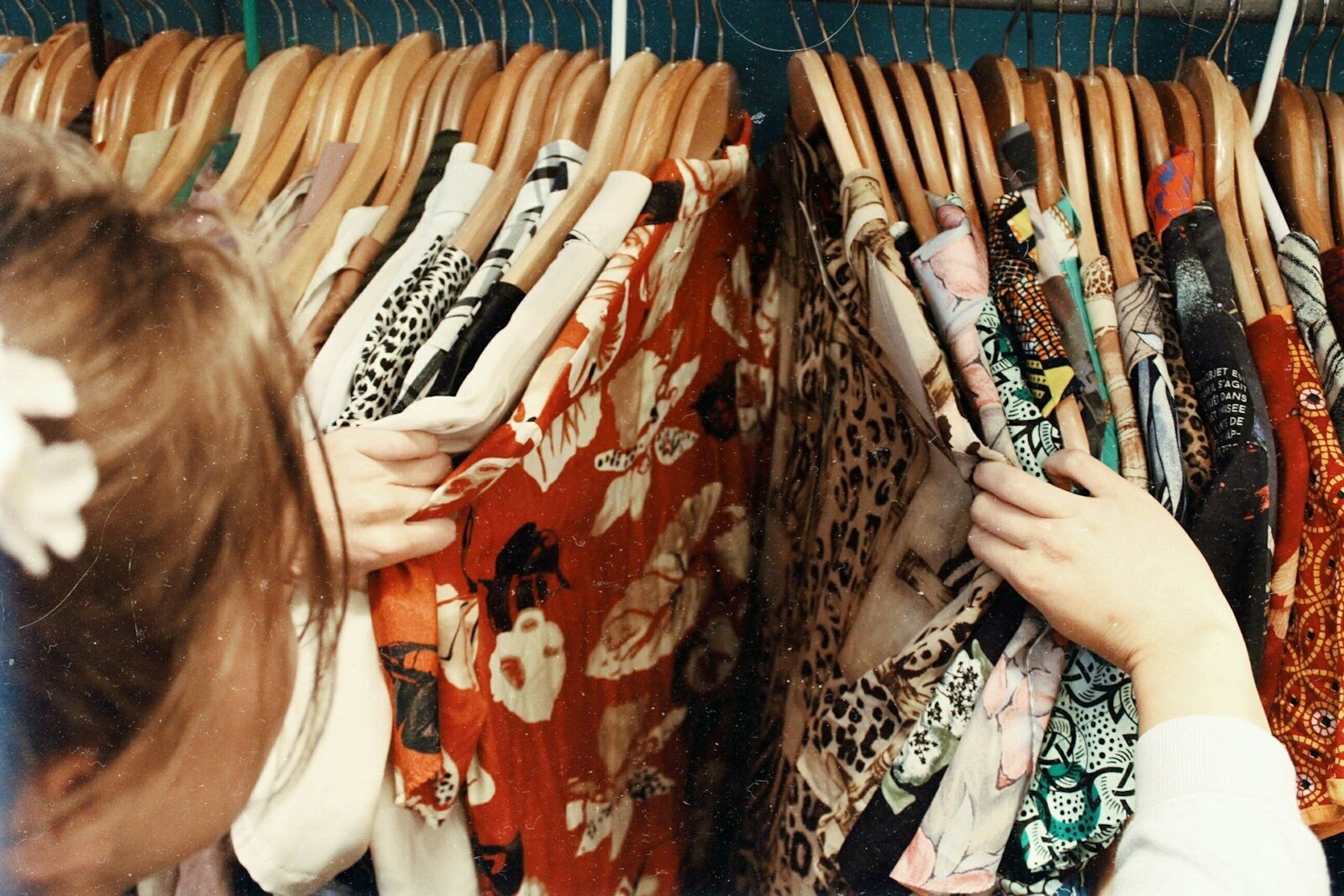
Buying secondhand clothes used to mean browsing through charity shops or vintage stores, often with limited stock in the desired size. Shopping for pre-owned fashion is now as simple as opening an app and searching for a specific jacket, brand or style. This shift has contributed to why secondhand fashion has become such an important part of the clothing market in 2026. Platforms such as Vinted, Depop and The RealReal have changed how resale takes place, although each appeals to a different type of shopper.
The draw for buyers is clear; the ability to seek out lower prices, unusual pieces, vintage clothing or designer items that are difficult to find elsewhere. However, it is not just the value on offer that makes secondhand such an attractive prospect for new buyers.
Sellers have an opportunity to make a return on clothes they no longer wear. The growth of resale is as much a reflection of changing attitudes towards ownership, personal style and the amount of clothing that people purchase.
What the Latest Market Figures Tell Us
The secondhand market is no longer a niche corner of the fashion industry. According to ThredUp’s 2026 Resale Market and Consumer Trend Report, the global secondhand apparel market is predicted to be worth $393 billion by 2030. The report also claims the market is growing twice as fast as the overall apparel market.
These figures illustrate why the resale sector is now more established as a shopping option, rather than a novelty. Individual platforms give a further insight into the appeal of secondhand. In its 2025 annual results, published in April 2026, Vinted reported €10.8 billion in gross merchandise value, up 47% year over year. Revenue reached €1.1 billion.
Depop has posted strong figures too. Etsy’s 2025 annual report recorded approximately $1.075 billion in Depop gross merchandise sales for 2025, an increase of 36.3% year over year. Gross merchandise value or sales figures are the value of transactions on a marketplace, as opposed to the revenue or profit that the company itself makes. The companies also operate in different markets and have varying business models, so this should not be taken as a direct comparison.
The bigger picture shows clearly that the secondhand fashion market has attracted enough buyers and sellers to be a significant commercial market.
Vinted vs Depop vs The RealReal
Not every resale platform is the same choosing the correct option depends on what you want to buy, how much you are willing to spend and how much you are prepared to read about a product before purchasing.
Vinted: Everyday clothing and affordable finds
Vinted is geared towards everyday secondhand clothes, shoes, accessories and other secondhand goods. The main appeal is that it is possible to find a wearable item of clothing without having to pay full retail price. Vinted works as a marketplace where individual buyers can browse what other shoppers sell, while those with unwanted clothes can list new pieces for buyers.
Vinted’s marketplace model means the experience is largely dictated by the individual listing. A buyer should ask themselves if the description, photography and other information is sufficient before a purchase. A Vinted user has options when it comes to shipping, seller feedback, and buyer protection charges. These will vary by market, so check the terms that apply to your own country.
Best for Budget-conscious shoppers, wardrobe basics, everyday secondhand finds.
Depop: Vintage, streetwear and individual style
Depop has a more style-led feel to it. As a social marketplace it is useful for finding vintage clothing, streetwear, distinctive outfits and pieces that reflect a particular aesthetic. Rather than a search function the Depop experience is more about browsing what sellers have listed and what other shoppers are buying. This could be a discovery tool for individuals looking for a specific style. It supports the platform’s appeal to fashion-conscious users.
Etsy’s 2025 reporting revealed that 87% of Depop buyers in the preceding year were under 34. The report also noted that 93% of its gross merchandise sales were in apparel. These figures add weight to its reputation as a fashion-focused marketplace with a younger customer base.
The trade-off for distinctive items is that more care may need to be taken when assessing what is being sold. A listing described as vintage is not always rare, authentic or valuable. Look closely at any labels, measurements and other items before spending extra money for a particular style.
Best for Vintage-inspired outfits, streetwear, statement pieces, fashion discovery.
The RealReal: Designer and luxury resale
The RealReal focuses on luxury consignment, including designer clothing, handbags, shoes, watches, jewellery and more.
Its model is different to a traditional peer-to-peer marketplace. The RealReal offers a luxury consignment service where sellers consign their items to The RealReal and the company manages much of the sales process. The company states its authentication process combines specialist human expertise with technology and product data. This can help when shopping for expensive items, where the risk of counterfeit goods is a serious concern. However, it does not mean every purchase is risk-free and shoppers should read The RealReal’s current policies before ordering.
Selling through a luxury consignment service also comes with its own considerations. The level of commission, brands, item condition and potential proceeds can all vary. Anyone planning to sell should review the relevant guidelines rather than assuming they will receive a set percentage of the sale price.
Best for Shoppers seeking pre-owned luxury goods and sellers who want a managed consignment service.
Platform | Main appeal | What to check |
Vinted | Affordable everyday finds | Condition, shipping, buyer fees |
Depop | Vintage and distinctive styles | Measurements, labels, seller details |
The RealReal | Luxury resale | Authentication policies, pricing, commission |
Availability, fees and protections differ by country, a platform that works for one shopper may not be the most practical choice for someone based elsewhere.
Why Shoppers Are Choosing Pre-Owned Clothing
Price matters but value matters more
A secondhand item can cost significantly less than its new equivalent, however this is not always the case. Popular vintage pieces and sought-after designer products can sometimes sell at premium prices.
The useful comparison is not just the listing price, buyers should take into account the item’s condition and expected lifetime as well as delivery charges and whether it is something that they would wear.
For example a well made winter coat that has been bought secondhand may offer better value than a cheap new coat which needs replacing after one season. This depends on the condition and quality of the item not just the fact that it is pre-owned.
Personal style is easier to explore
Resale marketplaces can offer discontinued colours, older collections, unusual cuts and garments that are no longer stocked by mainstream retailers.
This is particularly useful for shoppers who prefer a distinctive wardrobe rather than buying what is currently in shops. It also allows older clothing to find a new audience rather than limiting its useful life to one owner.
Selling unwanted clothes has become easier
Resale works in both directions, someone buying a jacket today might sell it later when their style changes.
This provides a practical incentive to look after clothing and think about its future resale value. However, listing items still takes time and sellers may need to photograph products, ask questions, negotiate, and arrange shipping.
Reselling is an opportunity to recover some money, not a guarantee that every item will sell.
Is Secondhand Fashion Really Better for the Environment?
Extending the life of clothing can reduce the need to replace items as frequently. Buying pre-owned should also prevent items from being cast aside before their useful life is over.
However, it would be misleading to say that every secondhand purchase automatically benefits the environment.
The outcome depends on what the purchase replaces and how the item is used. Buying a secondhand shirt that replaces a new purchase is different from buying five extra shirts simply because they are inexpensive. Shipping, packaging, returns, cleaning and transport can also have an impact.
There is another distinction, resale does not solve the wider environmental problems with fashion. New clothes still require materials, manufacturing, energy and transportation. Nor does reselling an item guarantee that it will remain in use for years.
The sensible approach is to buy secondhand items that you genuinely need or love and wear them regularly. Repairing and passing them on when you no longer use them can increase their value.
How to Shop Secondhand Without Costly Mistakes
Online listings can look appealing, however photography rarely tells the whole story. A few checks can help avoid disappointment with a secondhand product.
Review the description, look for information about stains, fading, missing buttons, alterations, fabric wears and other defects. If something is unclear ask the seller before buying.
Check measurements rather than relying on the label, these can vary across brands and eras. Compare the listed measurements with a garment you already own that fits comfortably.
Look at photographs closely, look for clear images of labels, seams, soles hardware and areas that commonly show wear. Ask for additional photographs when the item is expensive or the listing lacks detail.
Be cautious with designer goods, logos and branded packaging are not proof of authenticity. For higher value purchases use a service with a clearly explained authentication process, review its buyer protections and check what happens if an item is disputed.
Calculate the full cost, shipping, applicable platform fees, cleaning or repairs and any return costs. A low listing price can become less attractive once expenses are added.
Keep transactions on the platform, moving payments or conversations elsewhere can remove protections and make disputes harder to resolve. Review the platform’s rules before agreeing to any unusual arrangement.
Don’t confuse a seller’s claim that an item is rare with evidence of its value, compare similar listings and where possible, completed sales. A garment is worth what buyers are prepared to pay for it, not simply what the seller asks.
What the Future of Resale Fashion Could Look Like
The next phase for secondhand fashion will probably involve increased competition between marketplaces, established retailers and specialist resale businesses.
Technology can make it easier to find the correct sizes, compare listings identify relevant styles and manage resale transactions. ThredUp’s 2026 report highlights technology, social commerce and the growing role of brands as important forces shaping the market.
At the same time growth brings challenges, buyers need reliable descriptions and workable dispute processes. Sellers need fair terms and access to interested customers. Platforms need to balance expansion with trust, product quality, and the problem of counterfeit goods.
Another consideration is whether resale can remain attractive when a particular style becomes fashionable, demand for sought-after vintage or designer items could see prices pushed up.
There is also no single resale experience that works everywhere, shipping infrastructure, payment options, platform availability and local consumer protections influence what services people can use.
For that reason the future of secondhand fashion will not be driven only from growth figures, the platforms that make buying and selling easy, trustworthy and worthwhile will hold more users.
Final Thoughts
The boom in secondhand fashion in 2026 reflects a shift in how people shop for clothes. Industry projections show a continuing growth in the market, Vinted and Depop’s reported results show how resale has become a significant business, The RealReal highlights another part of the market where luxury consignment and authentication are central to the buying experience.
For shoppers the best platform depends on the goal, Vinted is useful for everyday finds, Depop for style-led discovery and The RealReal for luxury resale. None remove the need to check prices, condition and seller information.
Secondhand fashion is not automatically cheaper, greener or safer than buying new. Its strongest case is more practical, it can help people find useful clothing, explore personal style and keep garments in circulation for longer provided they buy thoughtfully, not treat every bargain as a reason to spend.