
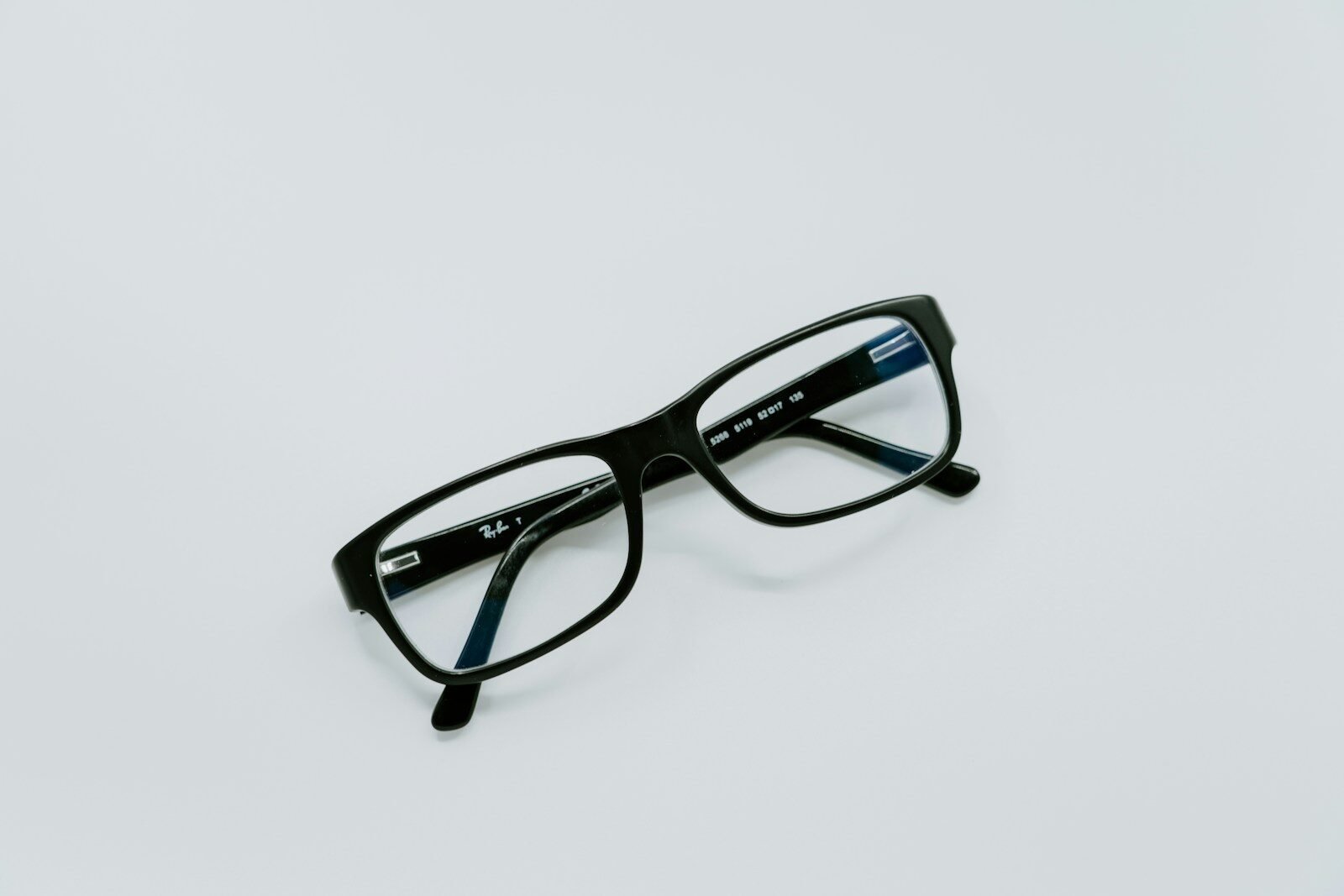
AI glasses are becoming more than just a regular pair of glasses with a camera built in. Now, glasses can incorporate the convenience of a voice assistant, the ability to take photos, listen to music, make phone calls, and receive AI-enhanced information, all in a single wearable device for everyday use. Some emerging models even bring a visual display to glasses, creating a more immersive experience.
But which AI glasses are worth buying in 2026? The answer is determined by the intended purpose, desired content creation, the need for prescription lenses, and the preference for a built-in display.
What Are AI Glasses?
AI glasses are primarily smart devices that bring audio, photography, and artificial intelligence into a wearable object. Users may ask questions directly to the glasses, record and share videos, listen to music, or receive relevant information about their surroundings through voice prompts.
Not all smart glasses have a visual display, and those that do tend to have significantly different form factors.
For this buying guide, the main comparison between glasses is made based on what each product offers for consumers’ everyday life and not which technology is more impressive.
5 Best AI Glasses to Consider in 2026
1. Ray-Ban Meta (Gen 3): Best All-Around AI Glasses
Starting price: $449
Ray-Ban Meta (Gen 3) is one of the most well-rounded smart glasses that balance the aesthetics of regular eyewear with the convenience of photography, audio, and AI-powered information, all controlled through a voice command.
It caters to the needs of those who want to use a voice assistant hands-free, leave their smartphone at home, and enjoy the camera and audio features that smart glasses offer.
Best features:
- The familiar glasses design and functionality.
- The ability to take pictures and record videos.
- Making phone calls in a hands-free mobile device.
Considerations:
- This product does not include a visual display like other smart glasses.
- Availability may vary for different regions, prescription options, and AI features.
- Compare how Meta AI features apply to your region and needs.
Source: Ray ban meta glasses
2. Ray-Ban Meta Audio: Best Hands-Free Call Option
Starting price: $379
Some consumers may not need a built-in camera for their smart glasses. Instead, they may prioritize open-ear audio and hands-free calling in their everyday life.
Ray-Ban Meta Audio is the perfect embodiment of hands-free interaction through audio and phone call features.
It should be noted that the product was announced in September 2026, and preorders are now open at $349 for the announced launch configuration. The official Ray-Ban lineup subsequently listed the range from $379, so the price and availability should be confirmed before purchase.
Best features:
- Open-ear audio and phone call features.
- Familiar smart glasses design and functionality.
Considerations:
- Open-ear audio may not be as immersive as standard headphones.
- People nearby may hear what the glasses are playing.
Source: Meta September 2026 product announcement
3. Ray-Ban Meta (Gen 2): Best Purchase Option
Starting price: $379
Ray-Ban Meta (Gen 2) is another embodiment of smart glasses that cater to those who want to create content through the built-in camera and voice control without spending too much on a new product.
This is especially true if the Gen 3 version does not have a significant improvement for the consumer. Overall, this product is ideal for those who prioritize photography, audio, and AI information on the go.
Best features:
- Smart glasses design and photography/audio features.
Considerations:
- This product has a significantly lower starting price, but its overall value depends on individual preferences and the availability of the Gen 3 version.
- Compare the overall specifications of Gen 2 and Gen 3 before purchase to ensure that price is not the only affecting factor.
Source: Ray ban meta glasses
4. Ray-Ban Meta Optics (Gen 2): Best Option for Prescriptions
Starting price: $499
While most consumers would buy a pair of sunglasses, people who need prescription lenses have different needs and values when it comes to smart glasses.
This is where the Ray-Ban Meta Optics (Gen 2) come into play, as they perfectly combine the everyday use of traditional glasses with the features of smart devices and AI.
Best features:
- Combination of traditional glasses and smart features.
Considerations:
- Availability may vary for different regions, prescription options, and AI features.
- It is important to confirm whether the preferred lens option is available and whether it would be an additional cost.
- The comfortability of glasses is crucial for everyday wear, so it is better to try these frames to ensure a proper fit.
Source: Meta prescription glasses announcement
5. Meta Ray-Ban Display: Best Visual Display
Starting price: $799
Meta Ray-Ban Display is the ultimate embodiment of smart glasses that incorporate a built-in visual display and a wristband that helps operate the product.
This is an especially important feature for those who want to receive and read information without the need for a smartphone.
However, it is essential to confirm whether the product would be the right fit for the consumer’s needs and preferences.
Best features:
- The built-in visual display and new interaction methods.
Considerations:
- Not all consumers would value the built-in display, so it is important to compare the price, overall features, comfortability, and availability.
- Always consider the general availability of the product in the preferred region and the compatibility with other devices such as smartphones.
Source: Ray ban meta glasses
AI Glasses Comparison: Prices and Features
Model US starting price Main strength
- Ray-Ban Meta (Gen 3) $449 Everyday camera and AI
- Ray-Ban Meta Audio $379 Calls and open ear audio
- Ray-Ban Meta (Gen 2) $379 Camera and audio value
- Ray-Ban Meta Optics (Gen 2) $499 Prescription-friendly design
Meta Ray-Ban Display $799 Integrated visual display
These are the starting prices from the official source and may vary depending on the lenses, frames, tax, and other factors. These prices are not available for Pakistan or other international markets.
What Should You Look Before Buying AI Glasses?
When purchasing AI glasses, the first consideration should be the overall purpose and the features that a person would use the most. For example, if someone wanted to be able to take pictures and record short videos, it would be reasonable to prioritize the camera and audio features over other attributes. Subsequently, factors such as the overall battery, comfortability, lenses, smartphone compatibility, and language should also be analyzed.
Another important aspect is the overall privacy of using smart glasses. For instance, the use of a camera may violate some regulations or privacy policies, especially if someone is filming a stranger without consent. According to Reuters , smart glasses became a potential privacy concern in late 2026 as government officials and institutions began regulating the use of the devices.
Therefore, it is essential to compare the overall value and availability of AI glasses before purchasing. Moreover, consumers should ensure that the use of smart glasses is allowed in specific locations, such as workplaces, educational institutions, movie theaters, and other places. If someone wanted to record an important conversation, it is necessary to confirm that the legality and ethics of the action would not be violated. In general, AI glasses are a great technological innovation, but they should not become a significant disruption to everyday life.
Final Thoughts
Are AI glasses worth buying in 2026? Based on the overall value, AI glasses are worth buying if they would provide a more convenient way of interacting with technology in everyday life. Specifically, smart glasses are most useful when they replace smartphone functions such as phone calls, photography, and audio. However, when purchased based on a false assumption that AI glasses are a multifunctional device that does not require a smartphone, smart glasses would not be worth the investment.
Although the technology behind smart glasses is advancing, it is important to prioritize the current features of the product over the potential possibilities. Most importantly, convenience should be prioritized when it comes to everyday smart glasses. As such, this buying guide should help each buyer select the most appropriate product based on the intended use and personal preferences.
FAQs
Do AI glasses require a smartphone?
Depending on the brand and the model, AI glasses may require a smartphone and the specific application to use certain features or set up the product.
Can AI glasses have prescription lenses?
Depending on the brand, model, and availability, AI glasses may have prescription lenses or be available in prescription-friendly designs.
Are AI glasses safe for privacy?
Depending on the use and application, AI glasses can be used safely or violate privacy regulations. As such, it is important to confirm the legal status and ethical guidelines for the use of smart glasses. Furthermore, it is necessary to ensure that the camera or other recording devices have a recording indicator to inform others that the glasses are currently in use.
Should I wait for new AI glasses?
If current AI glasses suit the buyer’s needs and the current product does not have a specific feature that the consumer wanted, waiting for new AI glasses would not be a wise decision.