
If you’ve narrowed your next vacuum purchase down to “robot” or “regular,” most of what you’ll find online compares suction power and mapping features. Almost none of it walks through what either option actually costs you over the years you’ll own it, or which one solves the problem you actually have. This piece does both, using current 2026 pricing and maintenance data, plus a plain breakdown of where each type genuinely wins.
Quick Answer
A robot vacuum is the better buy if your priority is keeping floors consistently tidy with minimal effort, especially in a single-story home with mostly hard flooring or low-pile carpet. A traditional vacuum (upright, canister, or cordless stick) is the better buy if you need real deep-cleaning power on carpet, upholstery, or stairs, or if you want the lowest total cost over many years of ownership. Most households with pets, carpet, and more than one floor level end up happiest running both, not choosing one over the other.
What Robot Vacuums Actually Do Well
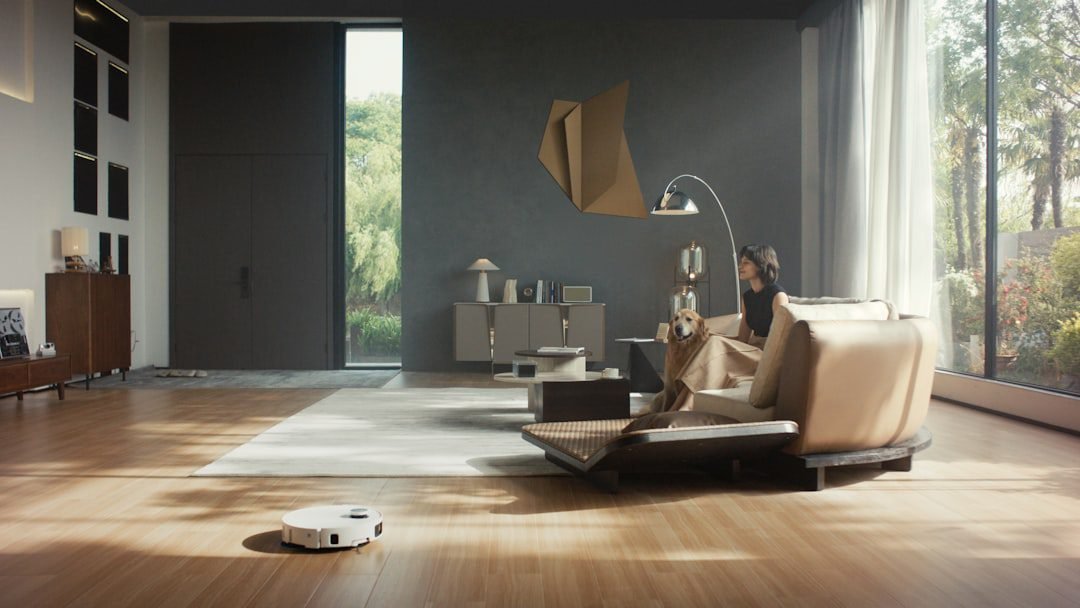
The honest case for a robot vacuum has nothing to do with cleaning power. It’s about frequency. A robot that runs three or four times a week prevents dust, crumbs, and pet hair from ever building up, which is a fundamentally different job than deep-cleaning carpet that’s been ground in for a month. Newer 2026 flagships, including the Roborock Saros 20 and the Dreame X60, have added better obstacle handling and threshold-climbing, which cuts down on the getting-stuck problem that turned a lot of early buyers off the category.
Independent object-avoidance testing from The Smart Home Hookup’s 2026 comparison is worth a look if you have pets, since it specifically scores how well current flagship robots avoid pet waste, cords, and shoes rather than just running over them. The results vary a lot between models even at the flagship level, which tells you obstacle avoidance still isn’t a solved problem industry-wide.
Robot vacuums also win on convenience features that traditional vacuums simply can’t offer: app-based scheduling, no-go zones, remote start while you’re not home, and self-emptying docks that mean you’re not touching the machine for weeks at a time. If your floors are mostly hardwood, tile, or low-pile carpet, a robot can genuinely handle the bulk of day-to-day cleaning on its own.
Where Traditional Vacuums Still Win
Suction. That’s the short version. A corded upright or a quality canister vacuum can move far more air and agitate carpet fibers far more aggressively than a battery-powered robot ever will, because it isn’t constrained by battery life or a compact motor designed to fit inside a low-profile disc. On high-pile carpet especially, that difference is not subtle.
Traditional vacuums also handle stairs, which no robot vacuum on the market climbs. They clean upholstery, drapes, and car interiors with attachments a robot simply doesn’t have. And they don’t care about clutter, cords, or pet toys left on the floor the way a robot does.
There’s a deeper point buried in most comparisons that’s worth stating plainly: neither a robot vacuum nor a standard dry vacuum actually deep-cleans carpet. Both rely on dry suction, which lifts loose surface debris but leaves embedded dirt, oils, and odor sitting in the fibers. Getting that out requires hot water extraction, a different category of machine entirely. If your goal is genuinely deep-cleaned carpet a few times a year, that’s a separate purchase (or a rental) regardless of which everyday vacuum you choose.
The Comparison Most Buying Guides Skip: Real 5-Year Cost
Almost every “robot vs. traditional” article stops at the sticker price. That’s misleading, because both categories carry ongoing consumable costs that add up to real money over a few years of ownership. Robot vacuums in particular are easy to underestimate here, since filters, brush rolls, mop pads, dust bags, and eventually a battery all wear out on a schedule.
Based on current 2026 pricing for consumables and typical replacement intervals reported by Yahoo Tech’s robot vacuum maintenance breakdown and Angi’s vacuum cost data, here’s roughly what five years of ownership looks like for a mid-range machine in each category. Treat these as estimates rather than guarantees — actual costs shift with your home size, how many pets you have, and which specific model you buy.
| Cost factor | Robot vacuum (mid-range, mapping) | Traditional vacuum (quality bagged upright) |
|---|---|---|
| Typical upfront price | $400–$800 | $150–$600 |
| Annual consumables (filters, brushes, bags/pads) | $50–$180/year, up to ~$390/year for heavy multi-pet use with a self-washing dock | $15–$60/year |
| Mid-life part replacement | Battery swap, typically $30–$80 around year 2–3 | Belt ($5–$15) roughly every 1–2 years; brush roll ($20–$40) every 2–3 years |
| Typical repair cost if something breaks | $100–$300 | $50–$150 |
| Expected working lifespan | Roughly 4–5 years with regular maintenance | Budget models often need replacing within 5–8 years; well-built bagged uprights can run considerably longer |
| Rough 5-year total (device + consumables) | ~$900–$1,600 | ~$300–$900 |
The pattern holds across most of the sourcing we checked: robot vacuums cost more to keep running, not just more to buy. That doesn’t make them a bad purchase — plenty of people will happily pay $150 to $300 a year for floors they never have to think about — but it does mean the “one-time purchase” framing you’ll see in a lot of marketing is incomplete. If a lower total cost of ownership matters more to you than automation, that’s a real point in favor of sticking with a traditional vacuum, even a nice one.
Cleaning Performance, Not Just Marketing Claims
Suction specs on a spec sheet are notoriously inconsistent between brands, so they’re not a reliable way to compare cleaning performance on their own. What tends to hold up better is testing methodology that measures actual debris pickup under controlled conditions — weighing dust bins before and after a run on the same test carpet, for instance, rather than relying on a manufacturer’s Pascal rating.
The practical takeaway for most readers: robot vacuums are consistently strong on hard floors and low-pile carpet, noticeably weaker on high-pile or shag carpet where brushes can tangle or the robot’s clearance is too low to make good contact, and effectively useless on stairs. Traditional vacuums, especially uprights with a motorized brush roll, do better across all carpet types but require you to actually push them around the house.
Pet hair is its own category. Robot vacuums with high-efficiency filtration and a side-brush design can genuinely keep pet hair from accumulating between deeper cleans, since they’re running far more often than a human would bother to vacuum. But for a heavy-shedding dog or multiple cats, most owners still end up doing a weekly pass with a traditional vacuum for baseboards, stairs, and furniture the robot can’t reach.
Who Should Buy a Robot Vacuum
- Your home is mostly one level, with hardwood, tile, laminate, or low-pile carpet.
- You want floors that stay tidy day to day without you doing anything, and you’re comfortable paying an ongoing consumables cost for that.
- You travel often or work long hours and want cleaning to happen automatically while you’re out.
- You don’t have thick carpet, a lot of stairs, or heavy clutter that would trip up navigation.
Who Should Keep (or Buy) a Traditional Vacuum
- You have stairs, since no robot vacuum climbs them.
- Your home has high-pile or shag carpet that needs real agitation, not surface maintenance.
- You want the lowest cost of ownership over many years rather than the lowest weekly effort.
- You need to clean upholstery, car interiors, or tight corners a robot’s shape can’t reach.
If you’re already assembling a home-maintenance kit that goes beyond flooring, our guide to essential DIY tools covers the basics worth keeping on hand alongside whichever vacuum you land on.
The Hybrid Approach Most Households Actually Land On
Reviewers who’ve tested extensively across both categories tend to converge on the same recommendation: run the robot several times a week for maintenance cleaning, and bring out a traditional vacuum roughly monthly for a genuine deep clean of carpets, stairs, and furniture. That combination costs more upfront than picking just one, but it also means neither machine is being asked to do a job it wasn’t built for. A robot straining to deep-clean carpet it can’t properly agitate wears out faster and cleans worse than one used the way it’s designed to be used, and a human pushing an upright around the house daily is signing up for a chore that a robot could have handled with no fuss.
If budget only allows for one machine right now, let your flooring decide. Mostly hard floors and light carpet: get the robot first. Mostly carpet, multiple levels, or a household that generates a lot of debris: get the traditional vacuum first and treat a robot as a later upgrade, not a replacement.
Pros and Cons at a Glance
| Pros | Cons | |
|---|---|---|
| Robot vacuum | Runs automatically; keeps floors consistently maintained; app control and scheduling; good on hard floors and low-pile carpet; quieter in eco/quiet modes | Higher ongoing consumable costs; can’t do stairs; struggles on high-pile carpet; needs relatively open floor space; shorter typical lifespan than a quality traditional vacuum |
| Traditional vacuum | Stronger suction and agitation; handles stairs and upholstery; lower long-term cost, especially with a well-built bagged model; no navigation limitations | Requires manual effort every time; no automation or scheduling; heavier and less convenient for quick daily touch-ups |
Frequently Asked Questions
Can a robot vacuum fully replace a traditional vacuum?
For most households, no. Robot vacuums handle daily surface maintenance well but lack the suction and versatility for deep carpet cleaning, stairs, and upholstery. Homes with only hard flooring and minimal cleaning needs are the exception where a robot alone can realistically cover everything.
Do robot vacuums actually deep-clean carpet?
No, and neither does a standard dry upright. Both lift loose surface debris through suction alone. Removing embedded dirt and odor from carpet fibers requires hot water extraction, which is a separate type of machine.
How long does a robot vacuum typically last?
With regular maintenance — cleaning brushes, replacing filters on schedule, and swapping the battery when it degrades — most robot vacuums run well for around 4 to 5 years before performance drops off enough to warrant replacement.
Is a robot vacuum worth it if I have pets?
Often yes for day-to-day hair control, especially with a model that has strong filtration and runs frequently. Heavy shedders in multi-pet households usually still need a weekly pass with a traditional vacuum for stairs, upholstery, and areas the robot can’t reach.
Which option is actually cheaper over time?
A well-built traditional vacuum, particularly a quality bagged upright, is typically cheaper over a 5-year span because it has lower annual consumable costs and can last well beyond a robot’s typical 4-to-5-year lifespan. Robot vacuums cost more to both buy and maintain, but they’re buying you automation, not just cleaning power.
Can a robot vacuum climb stairs?
No. As of 2026, no consumer robot vacuum on the market can climb stairs. Multi-level homes need a separate plan — either a robot per floor or a traditional vacuum for stairs.
What should I budget for robot vacuum maintenance each year?
Plan for roughly $50 to $150 a year for a light-to-moderate household, and toward the higher end (or beyond, if you count occasional battery or dock costs) for a home with multiple pets and heavy daily use. Buying filters and brushes in bulk, or using generic replacements for non-critical parts, is the most common way owners bring that number down.
Final Verdict
A robot vacuum’s biggest strength is consistency: floors that never get the chance to look neglected, maintained with essentially zero ongoing effort from you. Its biggest weakness is that this convenience isn’t free in the way the upfront price suggests — you’re signing up for real annual consumable costs and a replacement cycle that arrives faster than most traditional vacuums.
Choose a robot vacuum if your home’s layout and flooring suit it and you value your time more than you value minimizing long-term spend. Choose a traditional vacuum, or keep the one you have, if you’re dealing with stairs, thick carpet, or a tighter budget stretched over many years. If you can swing it, running both is genuinely the best-performing setup, not just a marketing compromise — it’s what most people who’ve actually lived with both end up doing anyway.
The one thing worth knowing before you buy either: no current machine, robot or upright, replaces the occasional deep clean your carpet actually needs. Budget for that separately, and judge your everyday vacuum on how well it fits your floors and your schedule, not on which one looks more impressive in a spec sheet.