
Search “capsule wardrobe” and you’ll find the same formula repeated on nearly every result: cost-per-wear equals price divided by number of wears, illustrated with a tidy example like a $200 blazer worn 200 times for $1 a wear. It’s true math. What almost nothing covering this topic mentions is that the entire argument rests on an assumption most people never actually test — that they’ll wear the thing as many times as the math assumes.
Quick Answer
A capsule wardrobe is genuinely worth it if you actually rewear the pieces at the rate you planned for. The strategy’s math is sound; the risk isn’t the concept, it’s optimistic forecasting. The same research repeatedly cited to promote capsule wardrobes also notes that a typical closet is majority pieces people rarely wear — which means the average person’s track record for predicting their own wear habits isn’t great. Build a capsule around what you already reach for consistently, not around what you hope you’ll wear, and the math holds up. Build it around aspiration, and you’ll likely end up with an expensive version of the same overstuffed-closet problem.
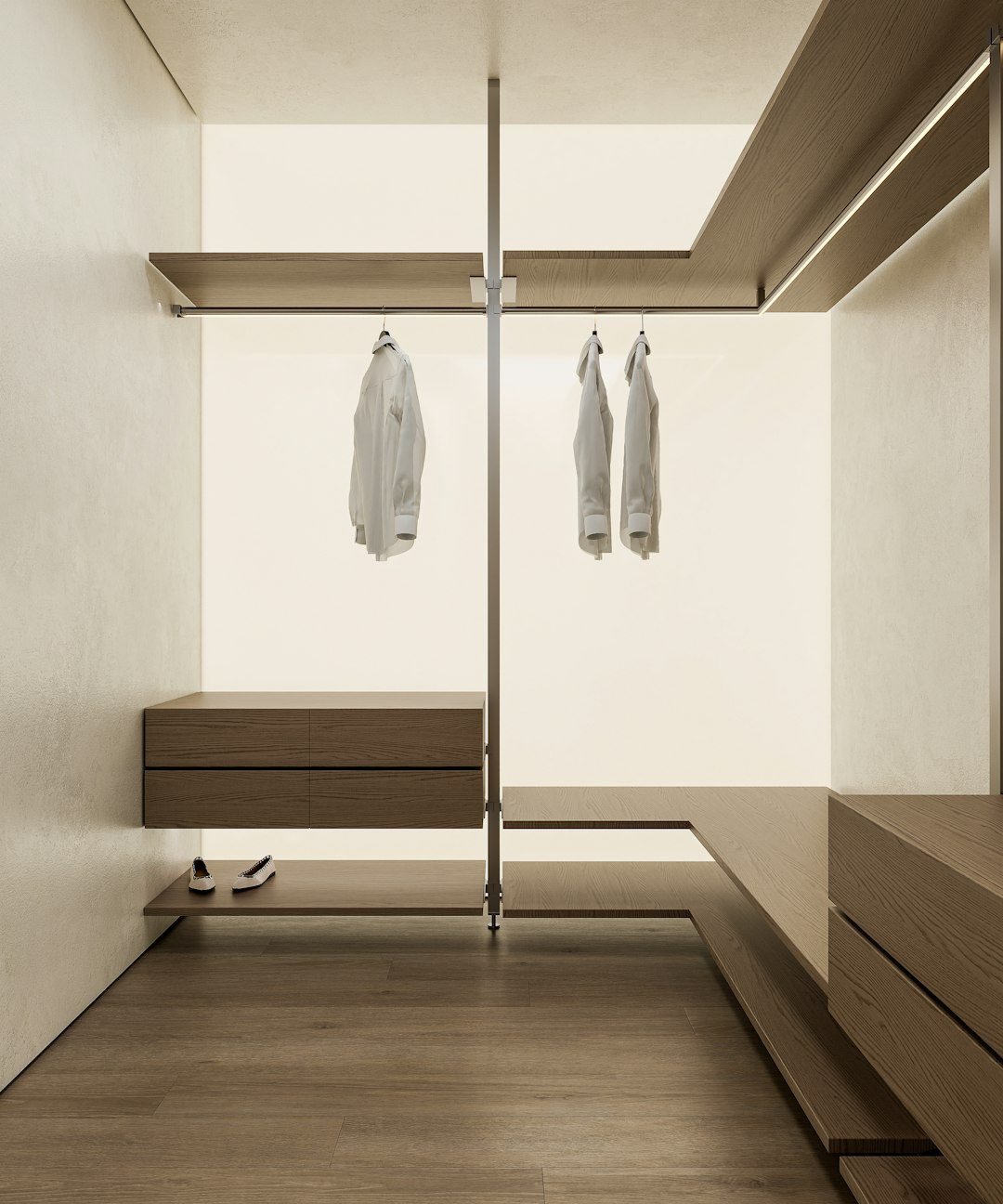
How Cost-Per-Wear Actually Works
The formula is genuinely simple: divide what you paid by how many times you expect to wear it. A $200 coat worn 100 times works out to $2 per wear; a $45 top worn twice comes out to over $22 per wear, despite costing a fraction of the coat’s price. This is why capsule wardrobe guides consistently push toward fewer, better-made pieces over a larger volume of cheaper ones — the math genuinely favors quality when the wear count materializes.
For scale, the average American household spends roughly $2,001 a year on apparel and services, according to 2024 Bureau of Labor Statistics data. A well-built capsule aims to either reduce that total spend, extend how long it lasts, or both — the pitch is fewer purchases that each work harder, not necessarily less money spent per item.
The Assumption Nobody Questions
Here’s the detail that gets skipped in almost every capsule wardrobe explainer: the entire cost-per-wear case depends on a wear-count estimate you’re making before you’ve actually lived with the item. And the same body of advice pushing capsule wardrobes routinely notes, almost in passing, that a typical closet is majority dead weight — pieces bought with good intentions that quietly stopped getting worn. That’s not a minor caveat. It’s a direct admission that people are generally bad at predicting which clothes they’ll actually reach for, which undercuts the tidy math in the very examples used to sell the concept.
A $300 quality sweater worn 80 times is a genuinely good deal. A $300 quality sweater worn 12 times because the color didn’t suit you as well as you thought, or because it needed dry cleaning you kept putting off, is a worse outcome than the cheap version you’d have replaced without a second thought.
When the Math Actually Breaks Down
- Trend-sensitive “basics.” Silhouette and proportion trends shift even within neutral, minimalist wardrobes — a boxy blazer that felt current two years ago can start to look dated well before it’s hit anywhere near its target wear count.
- Fit uncertainty. A piece that looks right in a photo or on a hanger doesn’t always translate to something you reach for daily. Bodies, jobs, and routines change, and a capsule piece bought for one season of life doesn’t always follow you into the next.
- Climate and occasion limits. A heavy wool coat is only getting worn during cold months, and a piece meant for a dress code you no longer follow (a former office job, for instance) stops accumulating wears entirely once the occasion disappears.
- Maintenance friction. Anything requiring dry cleaning or special care quietly gets worn less than a low-maintenance equivalent, purely because of the extra step between you and putting it on.
A Simple Sanity Check Before Buying
Rather than estimating wear count from how the piece should perform in theory, base it on how often you’ve actually worn the closest thing you already own. If your current go-to sweater gets worn twice a week for four months of the year, that’s a real, evidence-based estimate — somewhere around 30 to 35 wears a season — you can use to sanity-check a new purchase’s cost-per-wear, rather than an aspirational number pulled from a blog example.
Who Should Actually Try This
- You already know your go-to colors, silhouettes, and fabrics from tracking what you actually wear repeatedly, not just what you own.
- Your daily life (work, climate, activities) is stable enough that a piece bought today will still be relevant in a year or two.
- You’re currently buying impulsively and would benefit from the discipline of matching new purchases against what you already own.
Who Should Be Skeptical
- Your style, body, or daily routine is actively changing (new job, recent move, different climate), making future wear counts genuinely hard to predict.
- You tend to buy for the person you want to be rather than the person your closet already shows you are.
- You’re drawn to capsule wardrobes mainly as a shopping opportunity rather than a genuine reduction in how much you buy — “capsule” pieces can still add up to real money if you’re building one from scratch rather than editing what you own.
Pros and Cons at a Glance
| Pros | Cons | |
|---|---|---|
| Capsule wardrobe approach | Genuinely lowers cost-per-wear when wear estimates hold up; reduces decision fatigue; often improves overall clothing quality | Entire premise depends on an unverified wear-count guess; can become an expensive shopping project rather than a real reduction in spending; doesn’t account for trend, fit, or life changes |
| Buying as usual | More flexible to trends and changing needs; lower upfront cost per item | Typically higher total spend over time; higher likelihood of underused, forgotten pieces |
Frequently Asked Questions
What’s a realistic number of pieces for a capsule wardrobe?
Most guides suggest somewhere between 10 and 15 core pieces per season as a workable starting range, though the right number depends far more on your actual routine than on hitting a specific count.
Is it cheaper to build a capsule wardrobe from scratch, or edit what I already own?
Editing what you own first is almost always cheaper and more accurate, since it starts from real evidence of what you actually wear rather than a guess about what you’ll wear once you own it.
How do I know if a piece is actually worth the investment price?
Compare it against how often you’ve worn the closest equivalent you already own, not against an idealized wear count. If your current version of that item gets worn twice a month, that’s the number to plug into your cost-per-wear math, not an aspirational higher figure.
Does a capsule wardrobe actually save money?
It can, but only if the pieces get worn at the rate the strategy assumes. Since even capsule-wardrobe advocates acknowledge most closets are majority underused clothing, the savings are conditional on genuinely changing your wear habits, not just your shopping habits.
Do capsule wardrobes work for people whose style or body changes often?
They’re harder to make work well in that situation, since the strategy depends on pieces staying relevant and well-fitting over a long stretch of wears. A more flexible, lower-commitment approach may make more sense until things stabilize.
What’s the biggest mistake people make building a capsule wardrobe?
Buying for the wardrobe they wish they had rather than the one their actual daily habits support — choosing pieces that look right in theory but don’t match what they genuinely reach for on an ordinary day.
Final Verdict
The capsule wardrobe concept’s biggest strength is real: when the wear-count assumption holds, the cost-per-wear math genuinely works in your favor, and the smaller, more intentional closet reduces daily decision fatigue as a real side benefit. Its biggest weakness is that almost nobody questions the assumption the whole strategy depends on, and the same sources promoting it openly admit most closets are full of clothes that didn’t get worn as often as planned.
Try it if you can build from evidence — what you already wear repeatedly — rather than aspiration. Be skeptical if your life is currently in flux, or if you notice the “capsule” project is turning into a reason to shop rather than a reason to buy less. The wardrobe strategy isn’t the risk; your own wear-count guess is, and that’s worth being honest with yourself about before you spend the money.